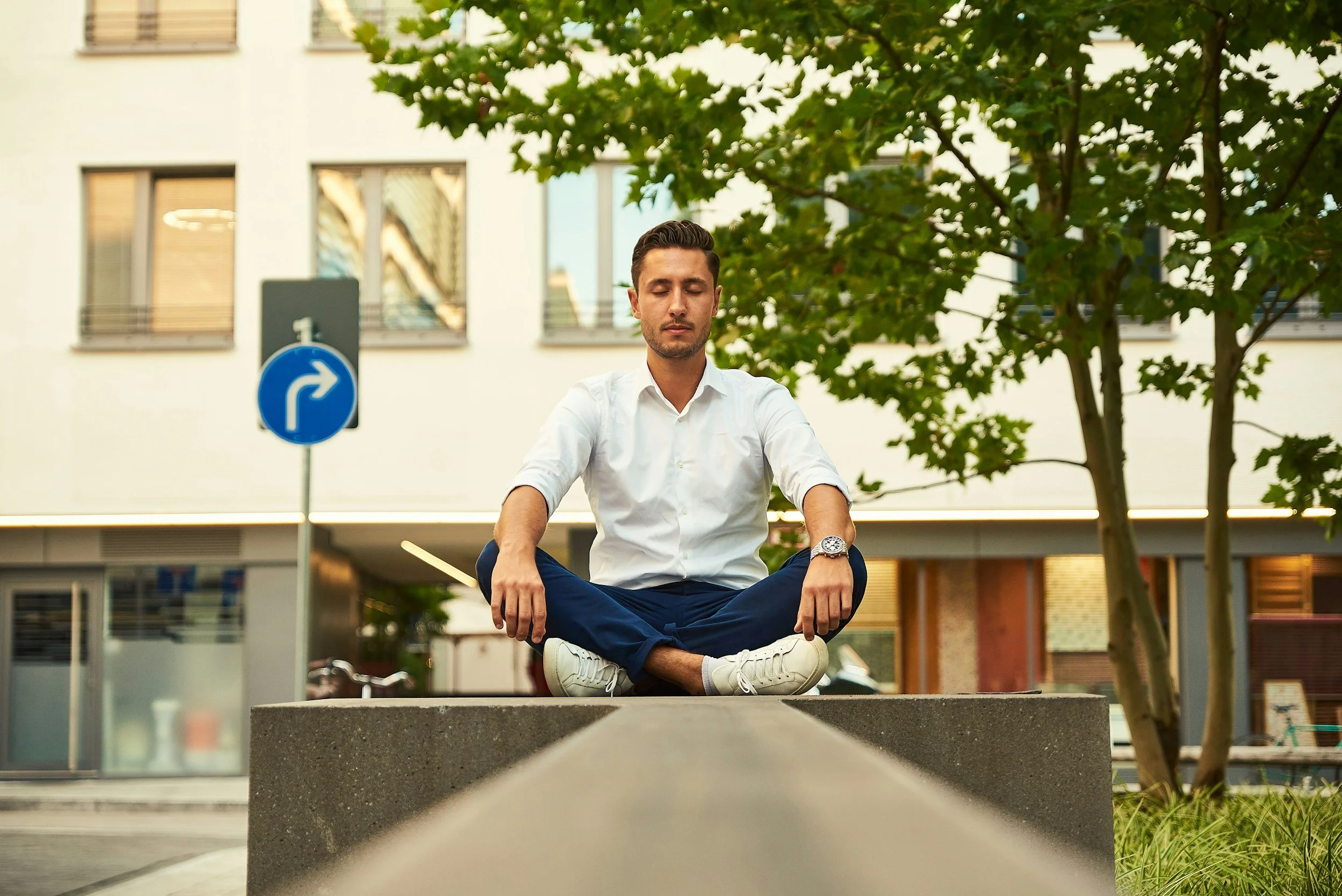
The Real Reason Meditation Feels Hard (Even When You Want It to Work)
Ease. Simplicity. A clear mind. The elusive state of being we’re all chasing. We want to feel grounded, present, and at home within ourselves. We long to have an internal anchor we can lean on when life throws us a curveball (or twenty).
Cozy Ripples was born from this desire. If you’re new here, Cozy Ripples are 60-second mini meditation videos I text you daily. In this article, I’ll offer a comforting perspective shift to help you reap the rewards from meditation, without the pressure to be perfect. Contrary to what you may think, short practices are amazingly effective and far more sustainable.
Why Does Meditation Feel So Hard for Me?
Believe me, I get it. You want to be a “good meditator”. You’ve tried to tackle this as you would any other mountain in your life.
Please know, it is not lack of trying, lack of desire, or motivation that keeps you from quieting your mind.
I won’t dig into the depths of why your brain is firing on all cylinders all the time (I’m sure you can already guess a few culprits - social media and the pressures of our fast-paced, modern society). That tension that accumulates in your body and brain is not your fault.
You’re not bad at this.
What you need is a path that will actually meet you where you’re at. One that can actually feel supportive and provide relief… because if it doesn’t provide relief, then why bother doing it?
Let’s Reframe: Misconceptions About Meditation
One of the most damaging myths is the idea that your mind should become "quiet." But your beautiful brain is an organ with a very specific purpose. It’s wonderously designed to think, plan, and protect you.
So take the pressure off yourself, first and foremost. Asking it to stop thinking is like asking your heart to stop beating.
We can’t do that, nor would we want to!
You’ve likely tried the approach of forcefully silencing your thoughts, only to discover that it increases tension. Not to mention, those pesky feelings of shame, hopelessness, frustration.
It’s only natural to think, “maybe my brain can’t do this”, “maybe I’m just not good at this”.
You’re not. You know why? Because thankfully, there are many ways to meditate.
Power in Simplicity and Practicality
When we look at a young child, we see a little human full of potential. As adults, we know how much untapped power there is within them, but we don’t expect them to jump from 0 to 100 overnight.
We teach kids incrementally. We give them plenty of grace. Boundless patience and reassurance. We support them on their journey of discovering this world, who they are, and what they love.
While the pressures of society and life as an adult increase dramatically, unfortunately, we don’t afford our brains the same gift that we do young kids.
We think by applying more of everything - more pressure, more scheduling, bigger rewards - that we’ll be able to whip our brains into shape to keep up with our expectations.
More is not always better. As they say, less is more.
I’ve found that when we’re overwhelmed, unlocking the power of meditation lies in keeping it simple and practical.
The 60-Second Permission Slip
Most of us think of meditation as sitting in a quiet room, in a specific posture, for 20 to 60 minutes. Oof.
I don’t know about you, but for most folks I know, those with jobs, families, and busy schedules, this isn’t achievable.
I experienced one of the biggest sighs of relief in my life when I discovered that 60 seconds, with an external anchor (which I’ll share more about below), could truly make a difference.
For me, this powerful combination gave me everything I was searching for: peace of mind, mental ease, a sustainable path, and something to look forward to rather than avoid.
It can take time to adjust our perspective to this less is more approach. But honestly? The difference in how we feel when we actually gain traction with something, versus the heaviness that can accompany traditional meditative practices, is life-changing.

A Minute to Pause, Anchored in Awe
When I created Cozy Ripples, I wanted to share the gift of a mindful moment of beauty. While this moment of stillness and inward connection can happen almost anywhere, at any time, I wanted to remove those difficult barriers to entry.
To me, meditation is a gift. It’s a gift we give ourselves to simply be present with nature, our feelings, or the inside of our eyelids.
When it starts to feel like a chore, it’s a sign that we want to readjust our approach. Ask yourself, can I meet myself where I’m at and allow that to be okay? Just for one minute?
I also find it’s quite helpful to remind ourselves that this does not have to be perfect.
Studies show that the compound effect of short, mindful breaks is clear and noticeable in the brain. So if you’re one to worry about the efficacy of such a short practice, I invite you to try it out for yourself - one day at a time.
No pressure to be perfect for 2 weeks or 30 days, just a gentle, daily check-in as you gradually build the habit and desire to protect this mindful moment for yourself.
How to Soften Your Mental Resistance
Remember, this is a new muscle you’re building.
If you wanted to learn a new language or take up softball on the weekends, you wouldn’t expect yourself to nail it out of the gate. You might naturally be more understanding and patient with yourself as you build new muscles.
Unfortunately, most of us think meditation seems simple, right… “How hard must it be to just sit there in silence and do nothing?” This sets us up for unrealistic expectations, biting off more than we can chew, and stripping away all the peace and serenity that is still available to us.
Expectations are often our greatest enemy. Reframing our expectation of a successful meditation into completing one quiet moment goes a long way to lower stress.
Fear that you’re doing meditation wrong.
While this builds on the back of my last point around expectations, I want you to take this point in as deeply as you can. You cannot do meditation wrong.
There is no failure with meditation.
Maybe with certain methods, that have specific rules or desired outcomes, but when you look at the true root of what it means to meditate… You can’t mess this thing up.
Give yourself permission to let it be messy. Meeting yourself in a moment of inward connection in a chaotic hour will truly have a positive effect on how you feel going into your next hour.
Life may still be chaotic, but when you lean on mindful moments to quiet the external noise, your ability to handle challenges grows incrementally easier, creating more peace at home.

Remember, It Gets to Be Fun
Approaching meditation with a "productivity mindset," treating it like another task to crush, not only increases pressure, but it also diminishes our ability to genuinely enjoy it. We can’t force our nervous system to relax; we can only invite it to.
When you receive a Cozy Ripple message, I’m sending you a gift. I curate these 1-minute videos to help you anchor into the present moment in a fun, digestible way.
Designed around ever-changing themes, they are a collection of emotionally-driven, nature-based imagery. Set against soothing music, you’ll be able to absorb beautiful content with intention and containment.
Watch them whenever you need a mindful dopamine release, judgment-free, while easing your brain out of overthinking and into 60-seconds of serenity.
You can start your 3-day free trial here.
The Impact of Short Meditation
✧ Shorter Practices Reduce Resistance
Short practices make meditation feel manageable. When the commitment is so small, your brain lets go of its struggle. A "micro-meditation" lowers the barrier to entry, making it easier to feel the benefits and stick with it.
✧ Frequency Over Duration
Neuroscience teaches us that the brain learns through repetition. This is amazing news. It means a one-minute practice every day is far more effective at rewiring your brain than a 45-minute session once a month.
Daily exposure builds trust in yourself that you’ll give this gift to yourself with less resistance.
✧ Letting Meditation Come to You
Reducing the "setup" is key. We humans are far less likely to pursue new habits, but when a moment of curated-calm is delivered to you, the desire to lean into it grows exponentially.
Removing friction and dropping that unnecessary shame is the secret to long-term consistency.
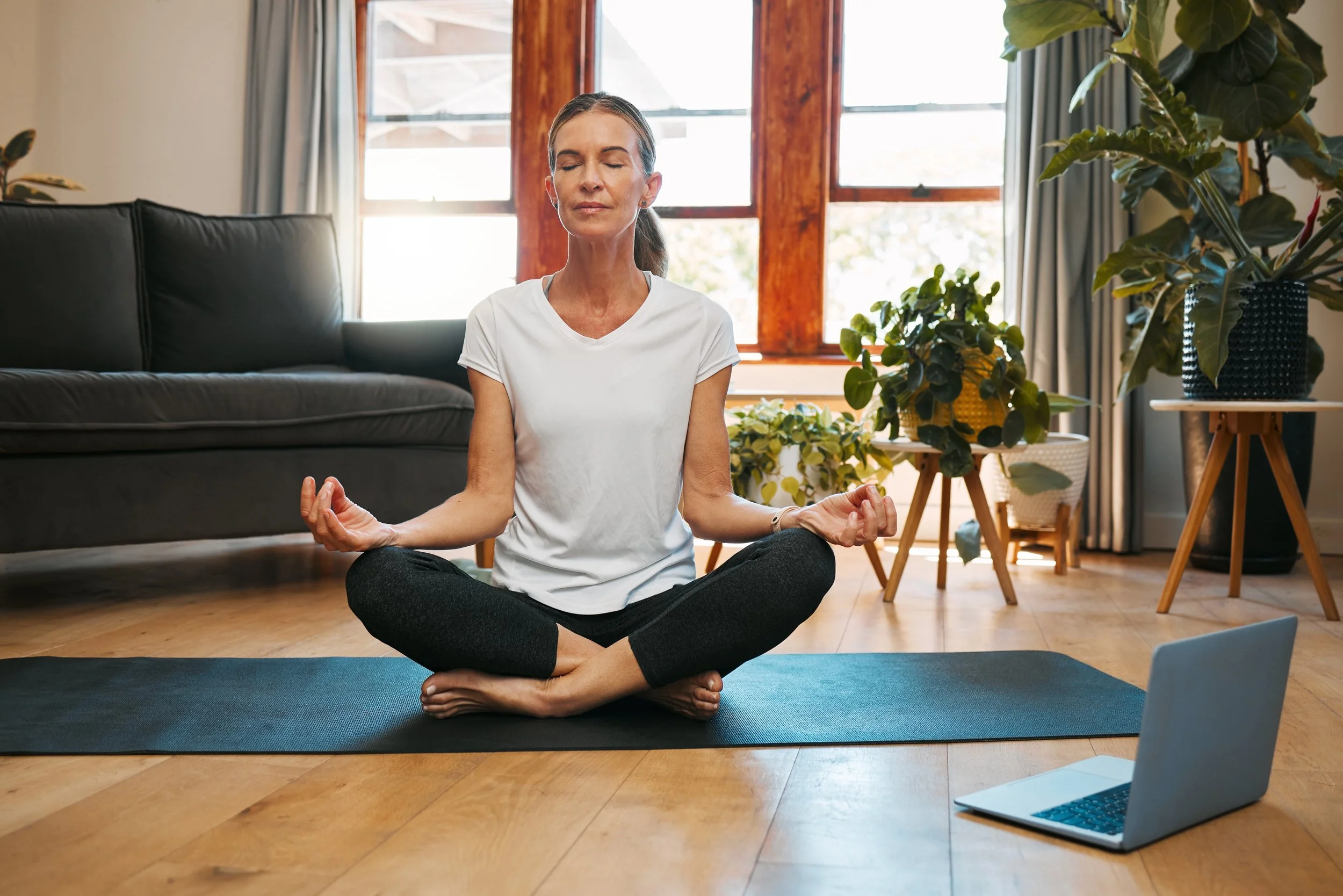
A More Realistic Way to Meditate
Contrary to popular belief, meditation does not need strict rules, total silence, or long sessions. It really can happen in small moments.
It can be watching an inspiring video for 60 seconds, taking three deep breaths in your car, or just feeling your feet on the floor. Calm can be found without a formal structure. This approach supports a version of mindfulness that finally works within your real life, not just on a retreat, and can even help you sleep better at night.
Meditation for People Who Think Meditation Is Hard
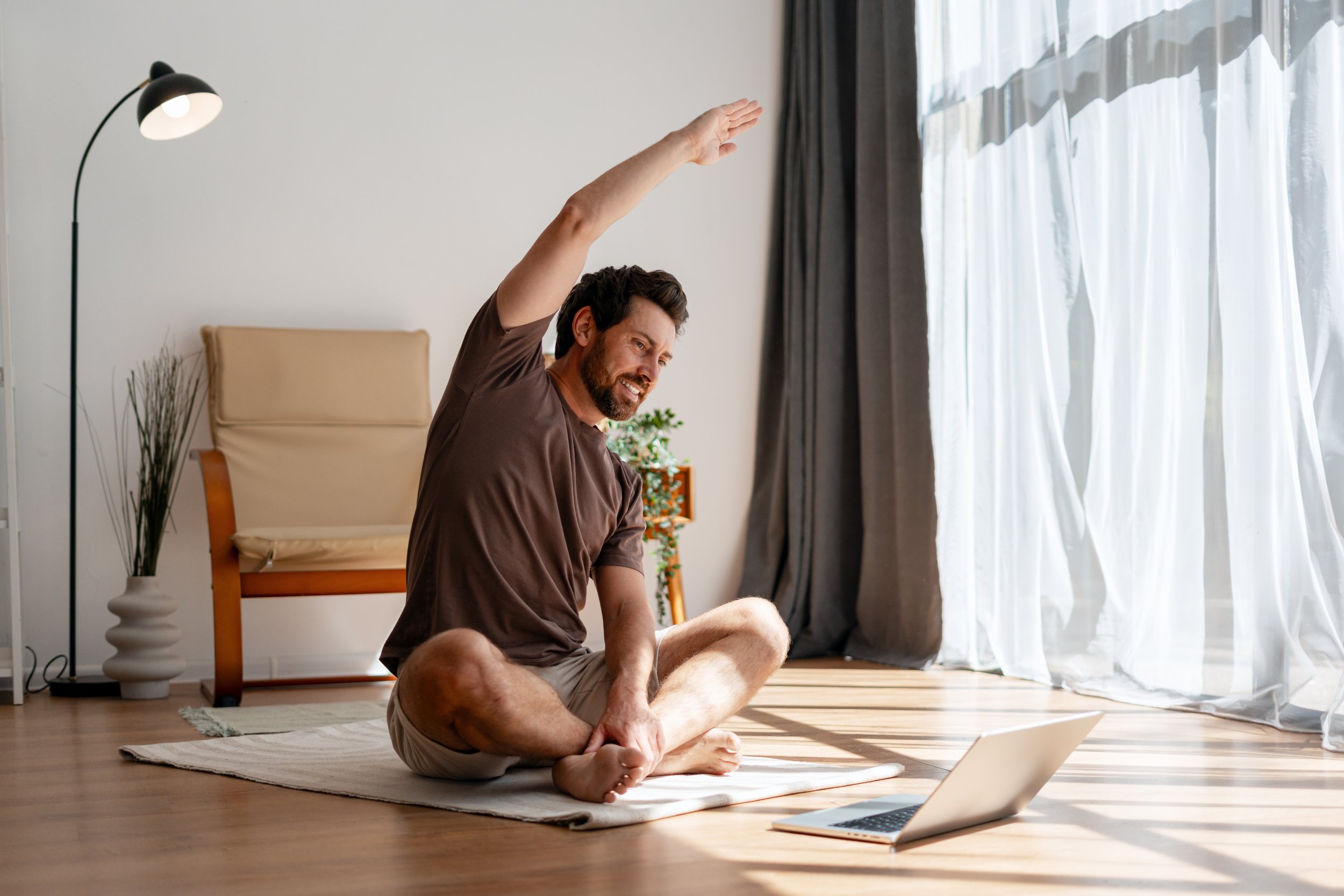
Meditation feels easier when we redefine success and drop our expectations. Success is not about "stopping your thoughts." Success is simply showing up for yourself for one minute.
Starting where you are, even if that means you are busy and distracted, removes the pressure.
Imperfection is not just allowed; it is part of the process. When meditation feels supportive rather than demanding, it becomes something you actually get to look forward to and use to genuinely support mental health.
Final Thoughts on Why Meditation Feels Hard
The world is changing fast. Taking the square peg of traditional meditation methods (ancient, rigid practices) and trying to shove them into a round hole (our modern, busy lives) is not achievable for most.
And so, we adapt. We adapt meditation to fit our world, our lives, our needs.
Ease comes from removing the pressure, shortening the time, and simplifying the practice. Small, consistent moments of mindfulness create meaningful change over time, without the struggle. With Cozy Ripples, a calmer mind begins with less effort, not more.
You can start your 3-day free trial here.
— Jackie
FAQs
-
Meditation feels hard because most people are taught methods that require long sessions, total silence, and intense focus. This does not match how the modern brain or daily life works. Mental resistance, overstimulation, and unrealistic expectations often make meditation feel difficult, even when the intention is strong.
-
Yes. Mind wandering is a normal function of a healthy brain. The brain is designed to think and process information. Meditation does not stop thoughts from appearing. It helps you notice them without reacting. A busy mind does not mean meditation is failing.
-
Meditation usually gets easier when the approach is simplified. Short, consistent practices reduce resistance and build familiarity. When meditation fits naturally into daily life and does not feel forced, it becomes easier to maintain and more effective over time.
-
Yes. Short meditation practices work because the brain responds to repetition, not session length. One minute of daily mindfulness can support nervous system regulation and emotional balance more effectively than occasional long sessions that feel stressful or unsustainable.
-
The easiest way is to remove pressure and reduce effort. Practice short sessions, avoid strict rules, and let meditation come to you. Simple moments like watching calming visuals, taking a few deep breaths, or pausing for awareness are effective forms of meditation when practiced consistently.
More To Explore